Who are The Four Gentlemen?
Meet the four plants that all Chinese brush artists must practice to become skilled.
四君子
Sì Jūnzǐ
There are four plants in Chinese culture that symbolise traditional Chinese virtues and which are known collectively as “The Four Gentlemen”, or “The Noble Ones”. You will see these plants depicted often in Chinese art, and they have also been adopted by East Asian artists in Japan, Korea and Vietnam. The Four Gentlemen are therefore the most popular subjects in East Asian art, both for teaching the fundamental skills of Chinese brush painting and for evoking their associated virtues.
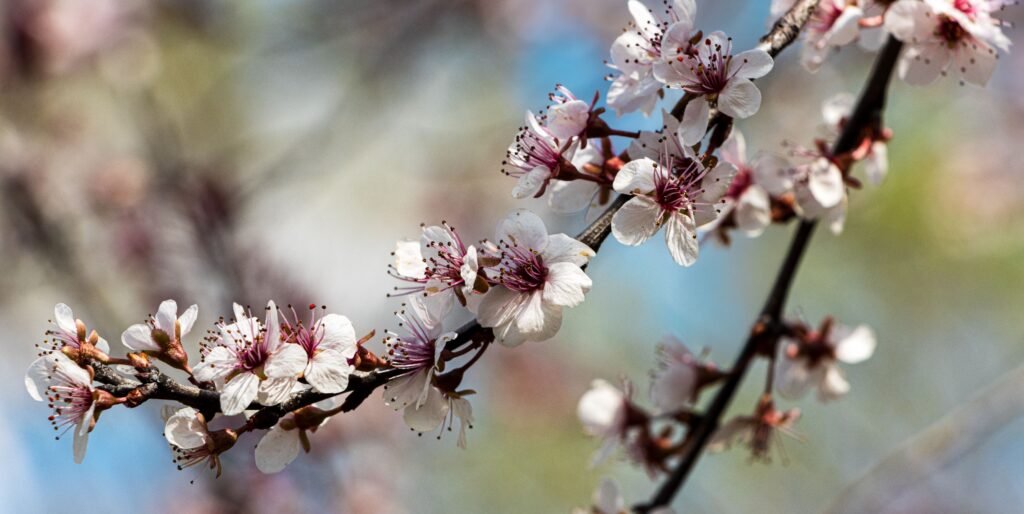
Plum tree in blossom (梅花 méihuā)
A symbol of perseverance, hope and beauty. The plum is the first fruit tree to blossom in late winter – on bare branches, and even in snow – and represents strength and resilience, as well as courage in adversity. The five petals of a plum blossom signify the “Five Blessings” of health, wealth, virtue, longevity, and peaceful death).

Orchid (兰 lán)
A symbol of nobility, integrity, modesty, and refined elegance. The orchid represents someone with high moral character, inner strength and humility, because it grows in hidden, inaccessible places, and keeps its beauty regardless of its environment. Orchids are given as gifts to colleagues as a mark of respect.
Confucius said that orchids release their scent even if no one is there to appreciate it. This teaches us that a noble person cultivates their character for themselves, not for recognition or fame. Neither does a noble person alter their principles when faced with adversity or poverty.

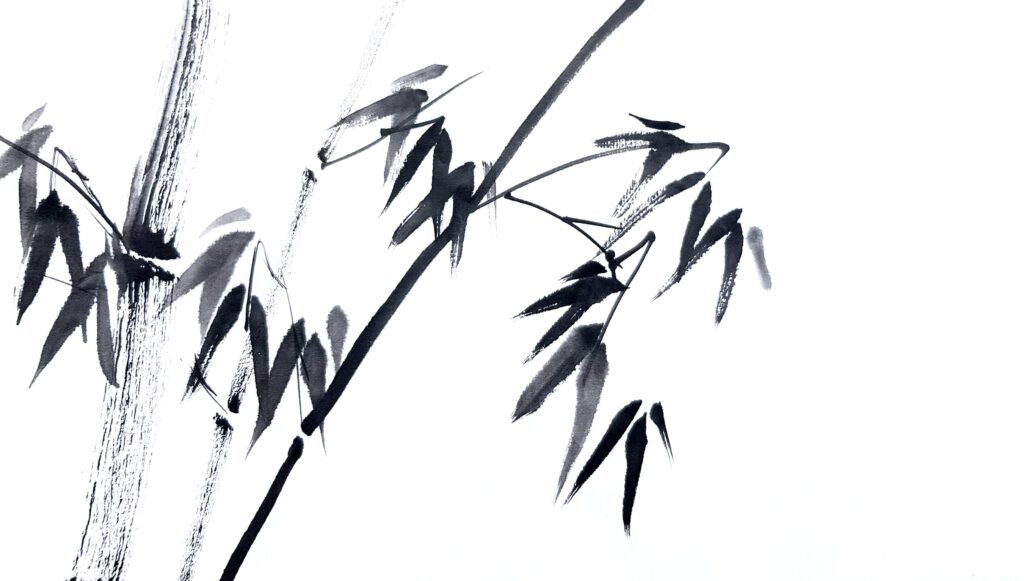
Bamboo (竹 zhú)
A symbol of strength, moral integrity and honesty. Bamboo represents a person’s adaptability and flexibility, as it may bend in storms without breaking. The hollow stems of bamboo signify open-mindedness and modesty, while the stems’ smooth, upright exterior stand for honourability.
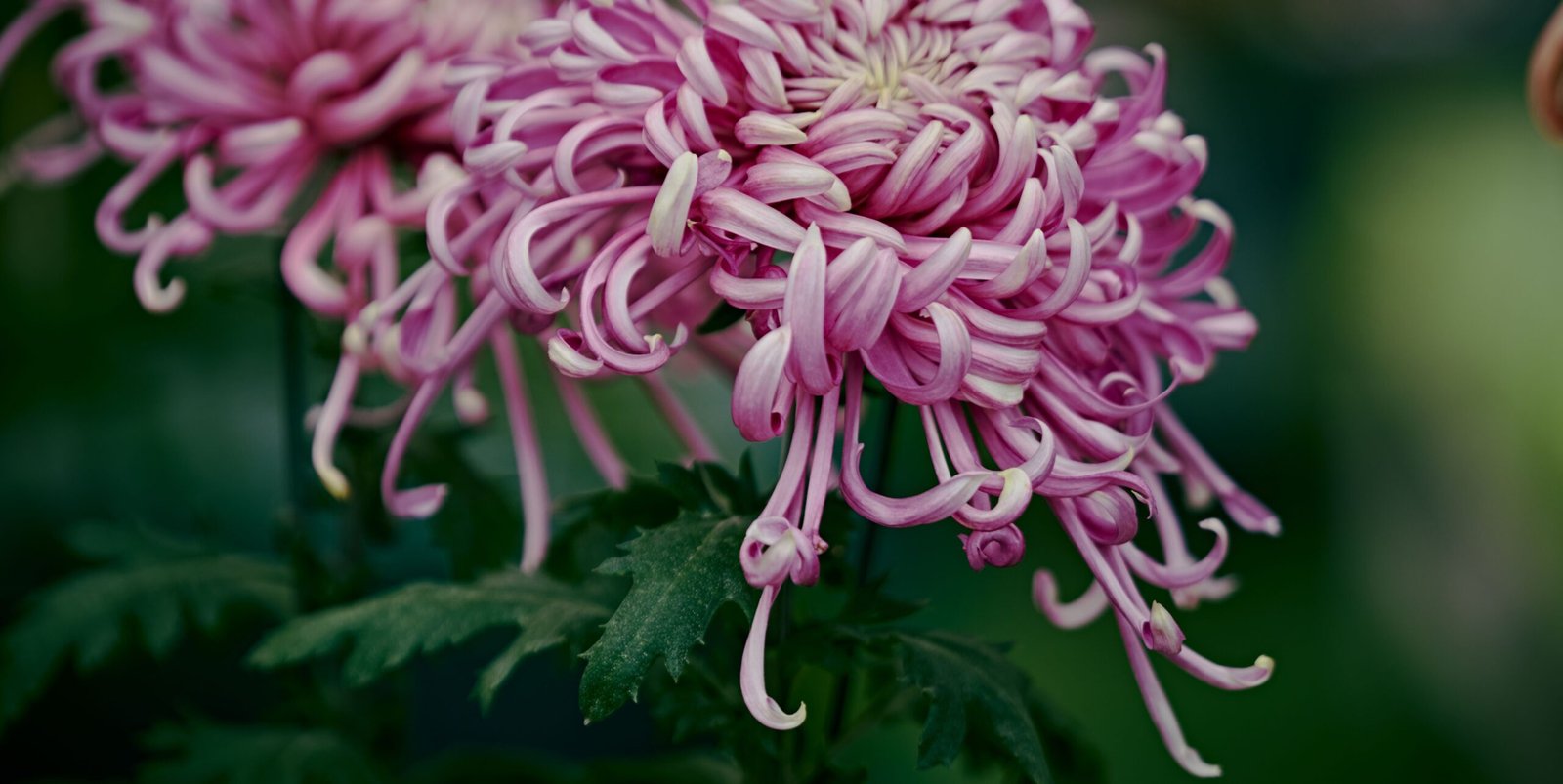
Chrysanthemum (菊花 júhuā)
Chrysanthemums bloom long and late into autumn. The flowers are prized for their health-giving properties in Chinese medicine (said to reduce inflammation, boost the immune system, and support cardiovascular function). Hence, they represent longevity, vitality and endurance. Chrysanthemum wine is drunk during the Double Ninth Festival taking place on the ninth day of the ninth month in the Chinese lunar calendar, so the flower has also become a symbol of rejuvenation and joy.
Each of the Four Gentlemen represents a Season
Artists depict the Four Gentlemen to honour the cycle of the seasons. The rotation is:
Plum in winter
Orchids in spring
Bamboo in summer
Chrysanthemum in autumn
What is the relationship between Confucius and the Four Gentlemen?
The Four Gentlemen have been a feature of Chinese art since the Song dynasty (960 – 1279 CE) but the word Jūnzǐ (gentleman) became a cornerstone of Confucian teachings and was a prevalent idea in Chinese culture hundreds of years earlier.
Confucius was a Chinese philosopher, teacher, and political theorist whose teachings have continued to shape Chinese and East Asian civilisation to this day. He was born in 551 BCE with the name Kong Qiu, and died in 479 BCE.
The teachings of Confucius emphasise the importance of social harmony, morality, and benevolence. He advocated for a society based on virtue, ritual, and family loyalty.
Although not widely revered during his life, Kong Qiu’s ideas were adopted after his death as the official state ideology of the Han dynasty (202 BCE to 220 CE).
How did Confucius describe a gentleman?
The teachings of Confucius were recorded after his death by his disciples. The Analects is a collection of sayings and ideas consisting of 512 passages in twenty chapters. It represents the core of his philosophy which focuses on ethics, social harmony, and governance.
According to Confucian teachings, being a gentleman requires self-restraint, honesty, and a desire for self-improvement through education. A gentleman shows compassion, is not afraid to speak out if he sees injustice, and acts according to his own inner voice to the benefit of others without seeking recognition.
His Golden Rule was “do not impose on others what you do not desire yourself”.