Shanghai 2019
Appreciating Chinese Art History at the Shanghai Museum.
Note:
At the time of writing this (January 2026), and since my visit in late May 2019, the Shanghai Museum has evolved into two sites, with a third in construction and due for completion by 2030. Shanghai Museum East, located at 1952 Century Avenue, Pudong New Area, is where I would now need to go to see the collections of ancient Chinese art, from paintings, bronzes, carved jade to ceramics; that is, the galleries I enjoyed exploring in 2019. Shanghai Museum People’s Square is now reserved for special exhibitions on different cultures around the world and no longer houses the galleries I describe in this article.
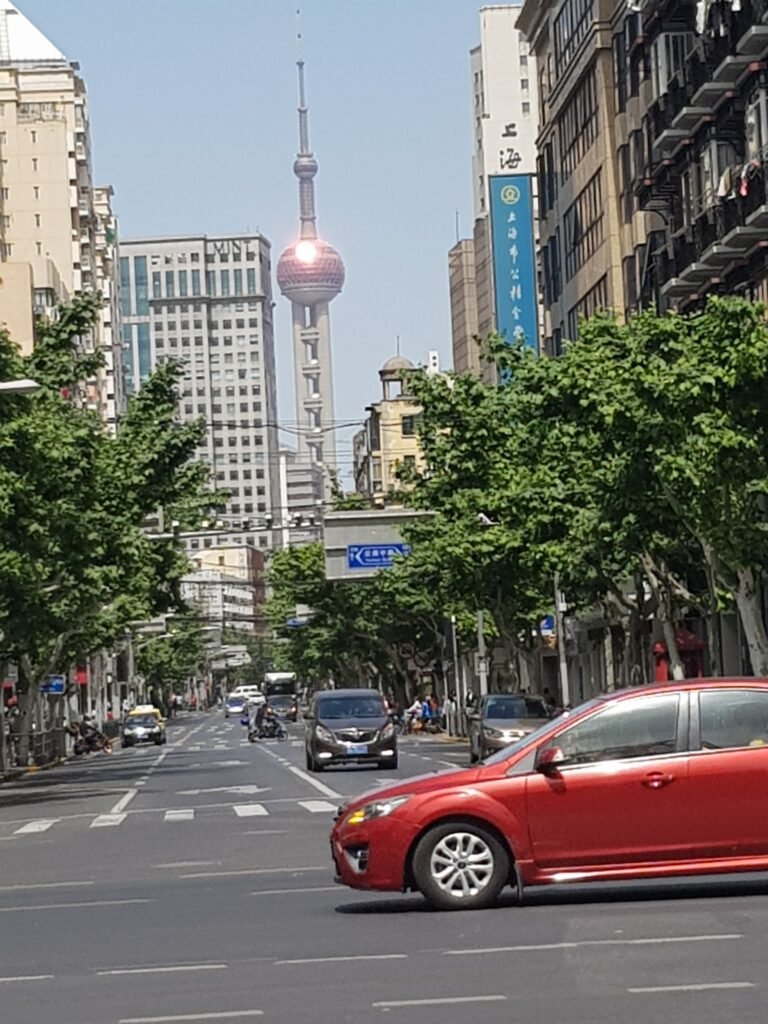
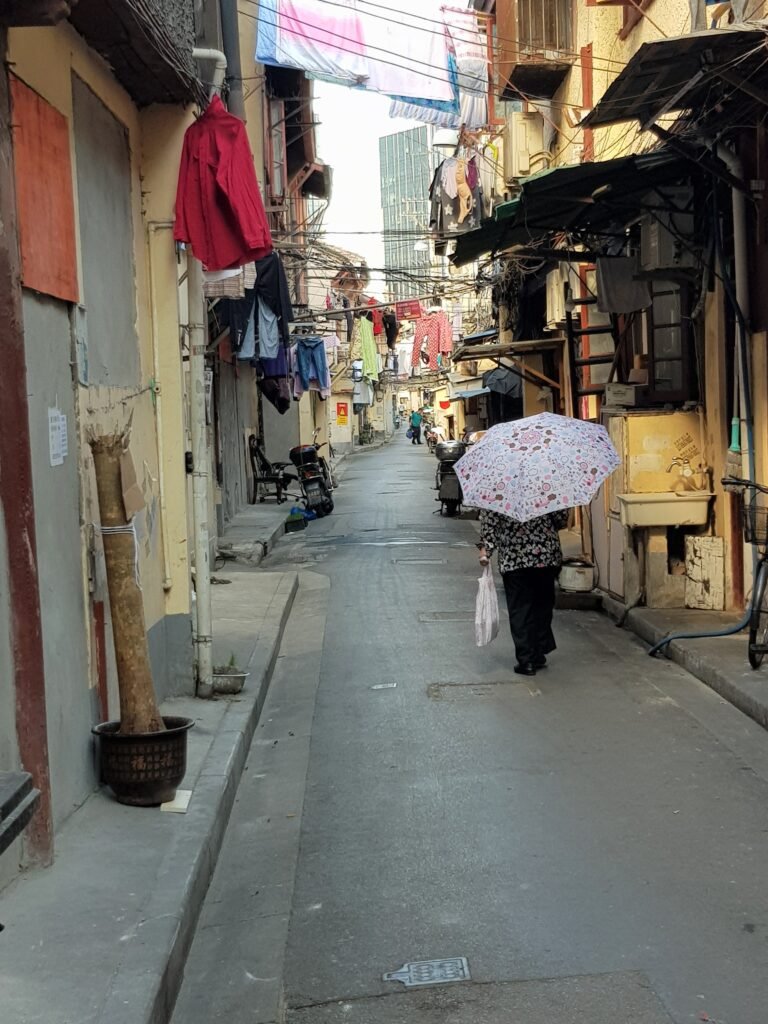
My first few days in Shanghai were spent mooching around the former French Concession area in the immediate vicinity of where I was staying (with friends at Wan Ling Tea House). On Monday 20th May I ventured further and made my first trip on Shanghai Metro Line 1 from Hengshan Lu (Hengshan Road) to People’s Square. There were numerous exits from the People’s Square station and it was hard to orientate myself, but luckily Shanghai Museum was signposted and I followed the signs through the underground labyrinth of tunnels until I stepped out into sunshine.
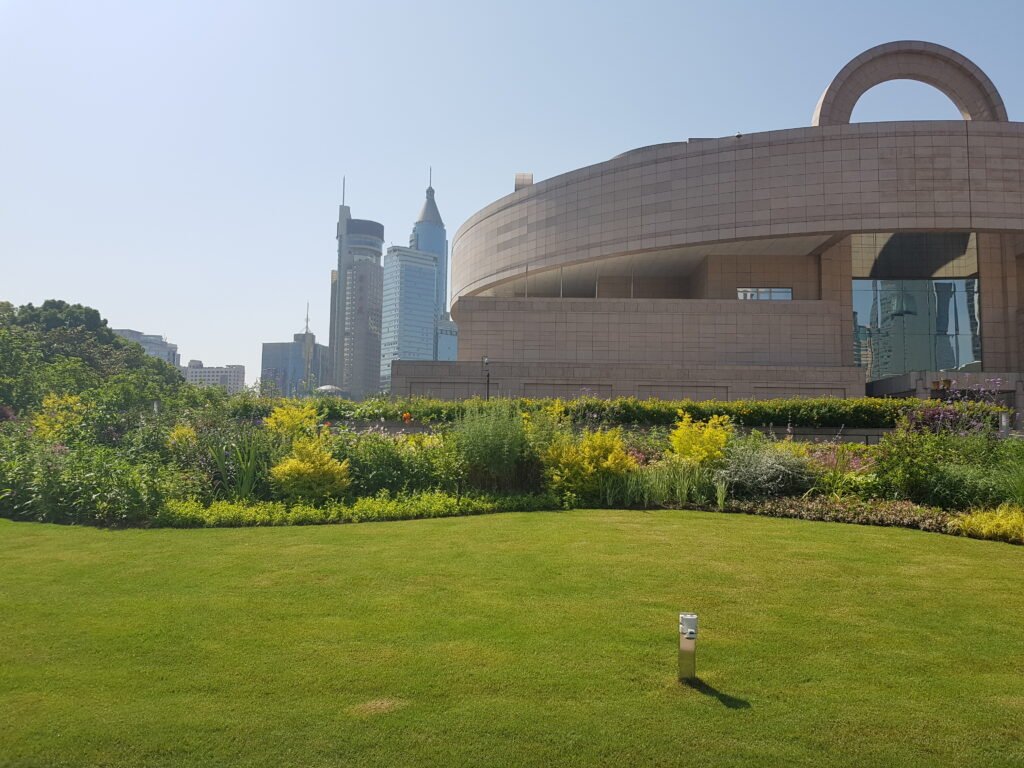
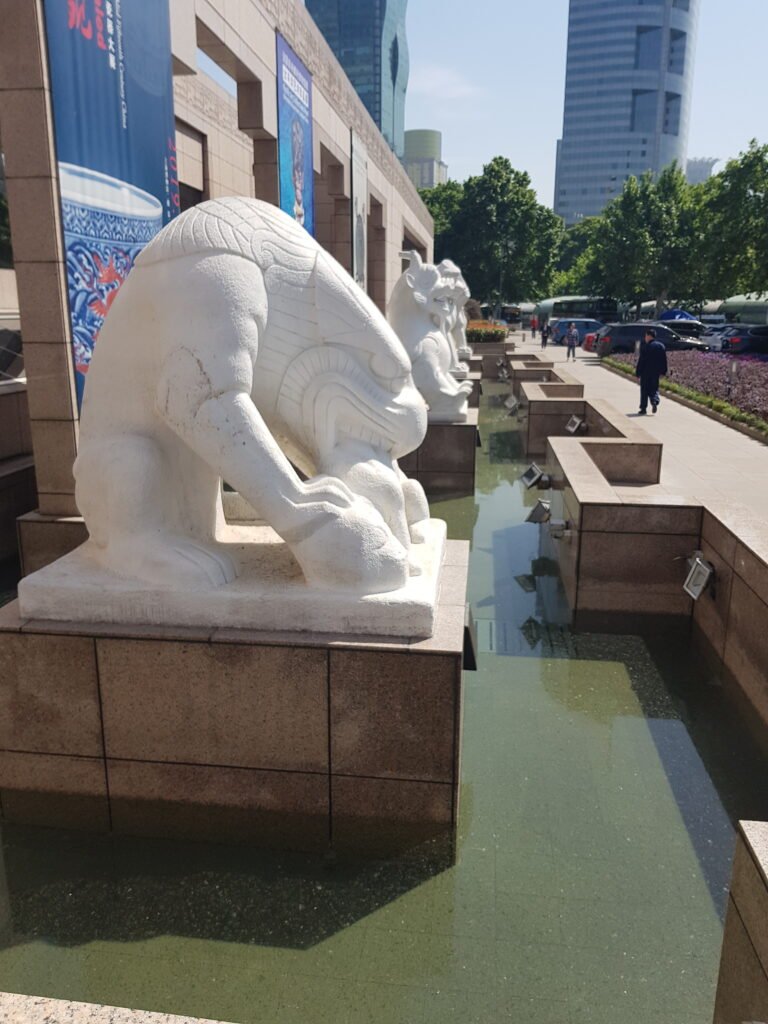
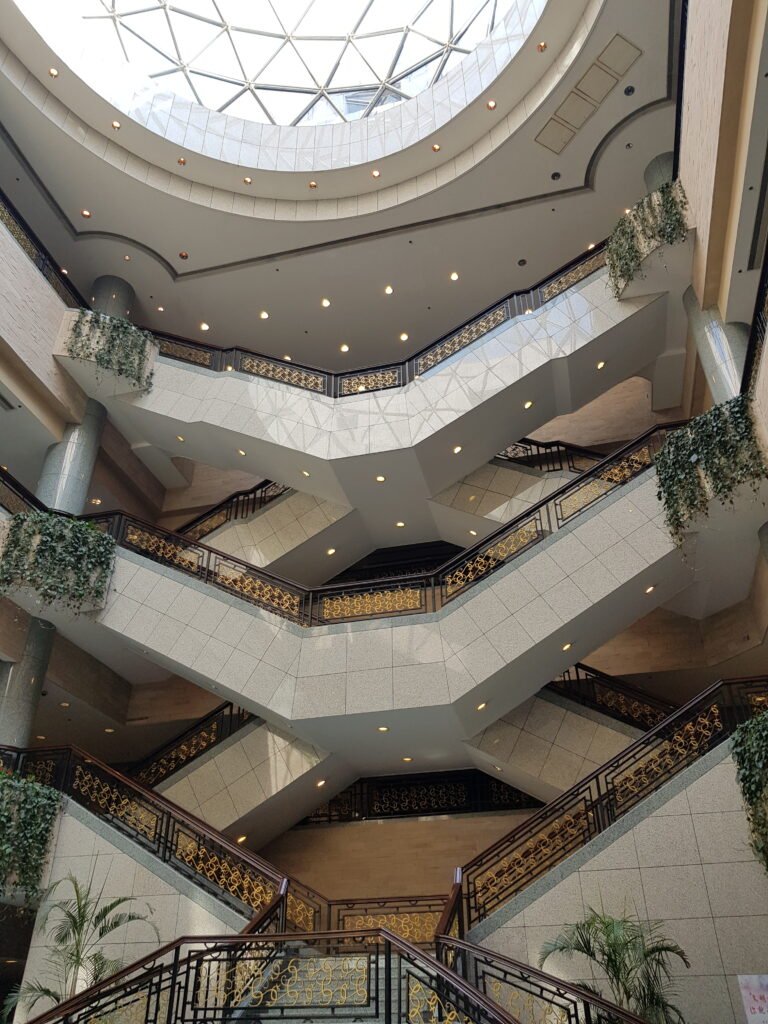
Shanghai Museum looms large and impressive. It sits quite squat and purposeful surrounded by lawns and flowerbeds at the rear, which was how I approached. From the front it is equally impressive with steps leading to the entrance doors and large stone lions. The building was completed in 1996 and was designed to resemble the shape of an ancient Chinese bronze cooking vessel called a “Ding”. It has a square base and a round top attached with arches to mimic the handles. The Ding shape symbolises the ancient Chinese philosophy of the universe consisting of a circular Heaven and a square Earth (天圆地方) Overall, the building’s design by local architect Xing Tonghe gives a modernist impression with a nod to ancient Chinese culture and tradition.
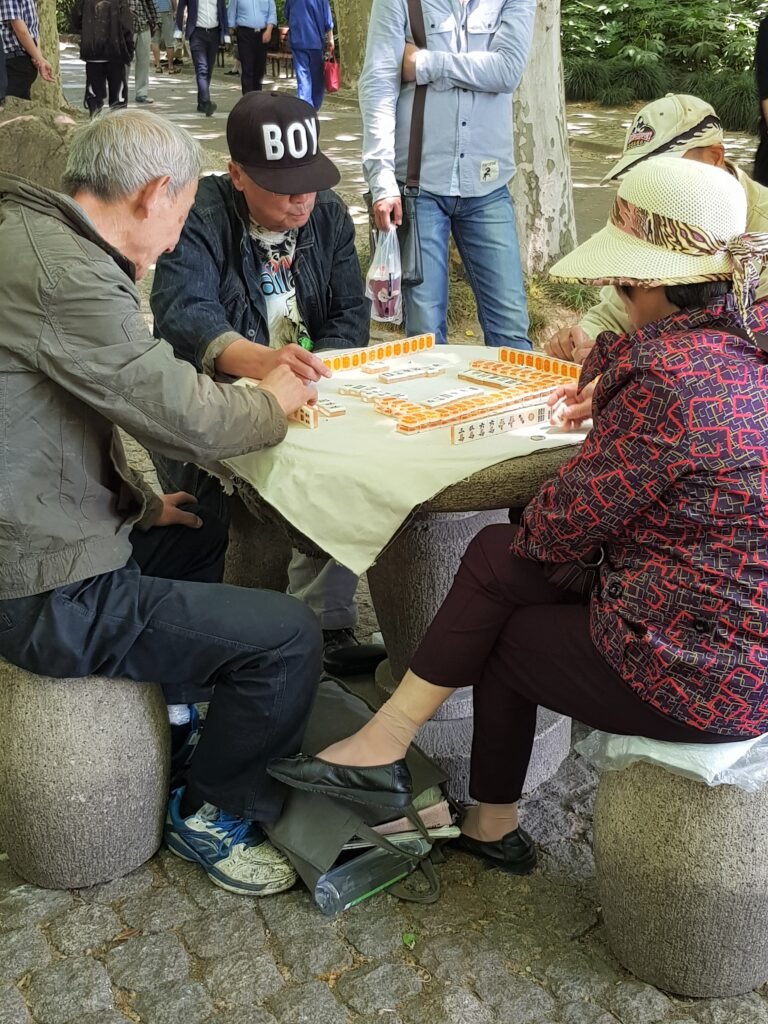
As I walked around the building towards the front entrance, I saw a pavement billboard outside and was shocked to read the museum was closed on that particular day “due to unforeseen circumstances”, so I had to partially retrace my steps and content myself with a wander around Renmin Park instead – watching the Mah Jong players as they sat at small makeshift low wooden tables in the shade of overhanging trees. My wanderings also took me to the Museum of Contemporary Art nearby and finally a walk by the river along the famous Bund. I walked for miles and miles, and felt safe and happy. That day broke my fear of exploring the city.
The next day, Tuesday 21st May, I returned to the Shanghai Museum and it was open.
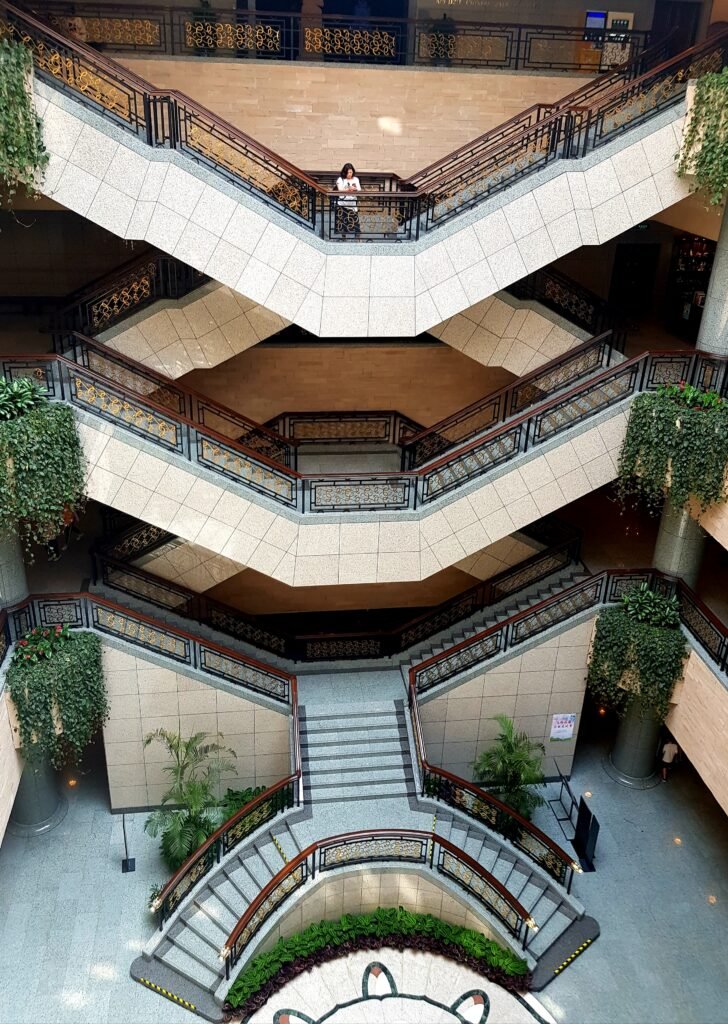
As you step into the main hall, you can’t help looking up and around you at the grandeur of the staircases and landings rising to three floors. The permanent collections include:
GROUND FLOOR
Gallery of Ancient Chinese Bronze
Gallery of Ancient Chinese Sculpture
FIRST FLOOR
Gallery of Ancient Chinese Ceramics
SECOND FLOOR
Gallery of Chinese Paintings
Gallery of Ancient Chinese Seals
Gallery of Ancient Chinese Calligraphy
THIRD FLOOR
Galley of Ancient Chinese Jades
Numismatics Gallery and display of Ancient Silk Road Coins
Chinese Minority Nationalities’ Art Gallery
Chinese Ming and Qing Furniture Gallery
On that first visit I realised I would need to return several times to do it justice, and I decided to limit myself to only one or two galleries per visit.
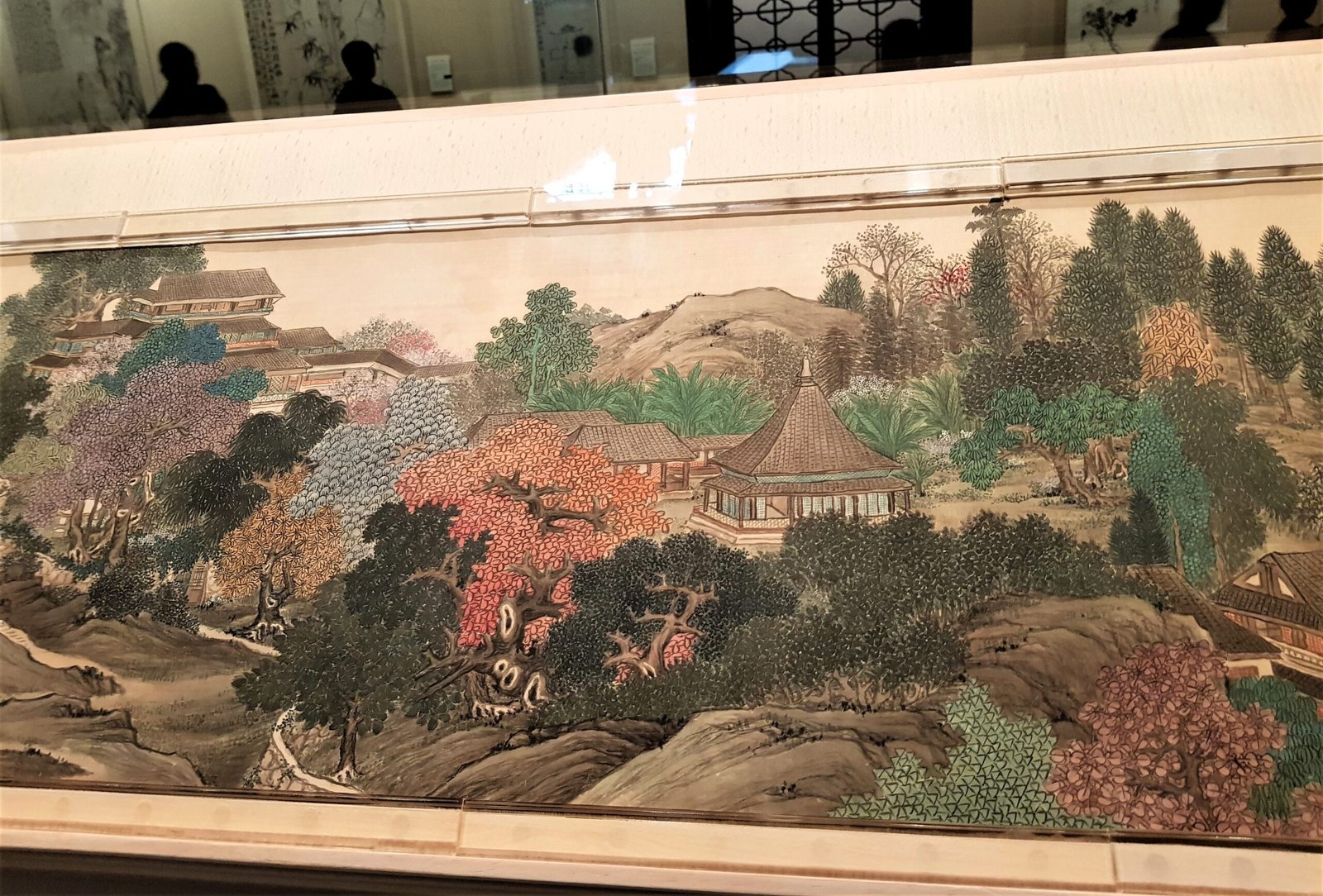
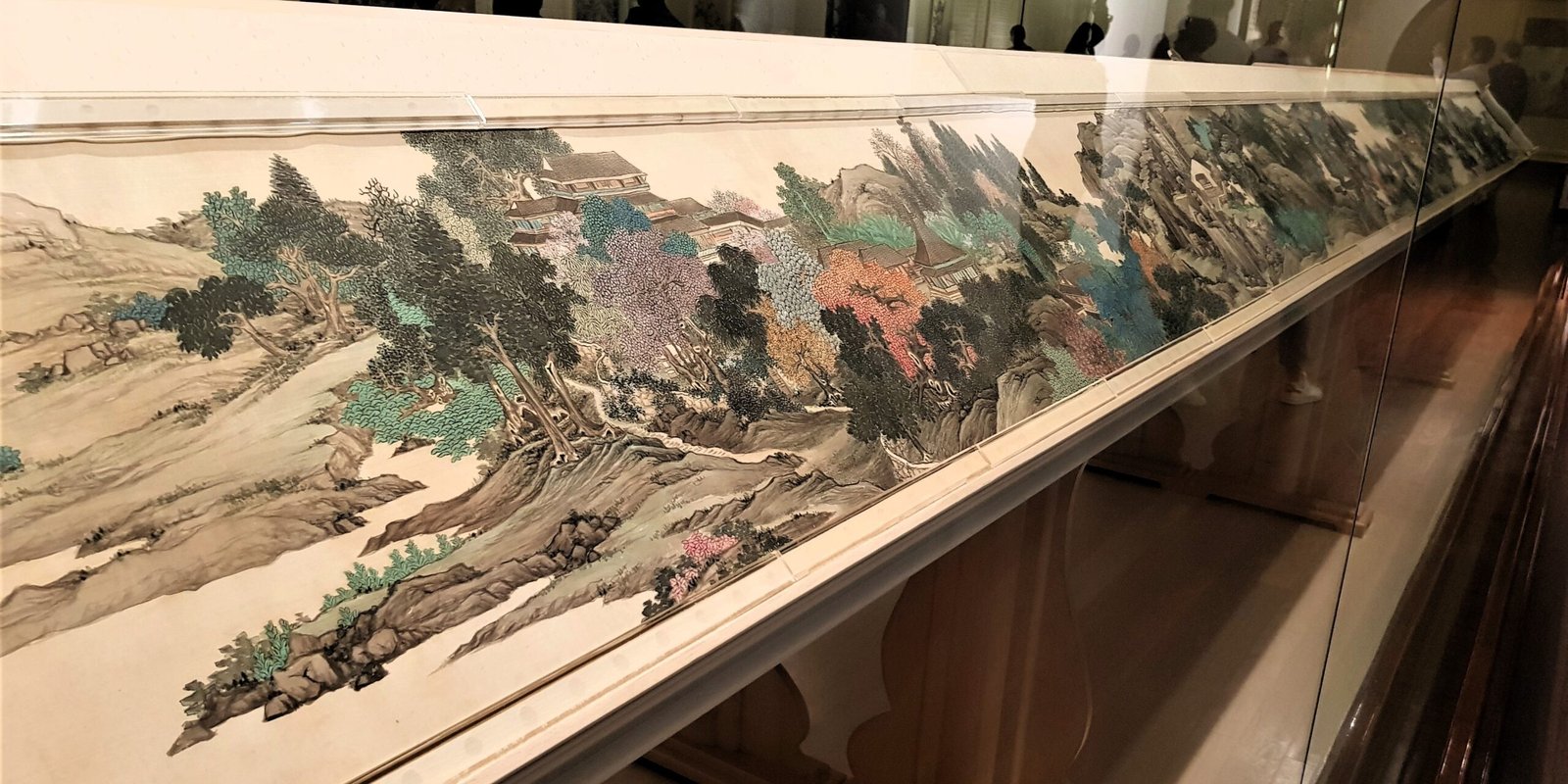
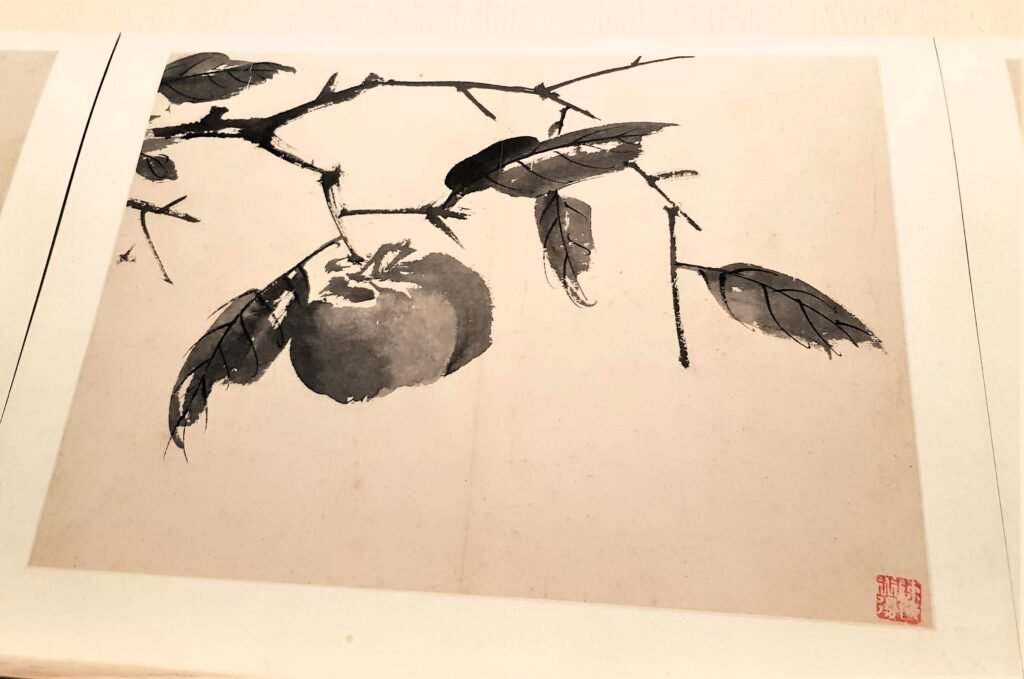
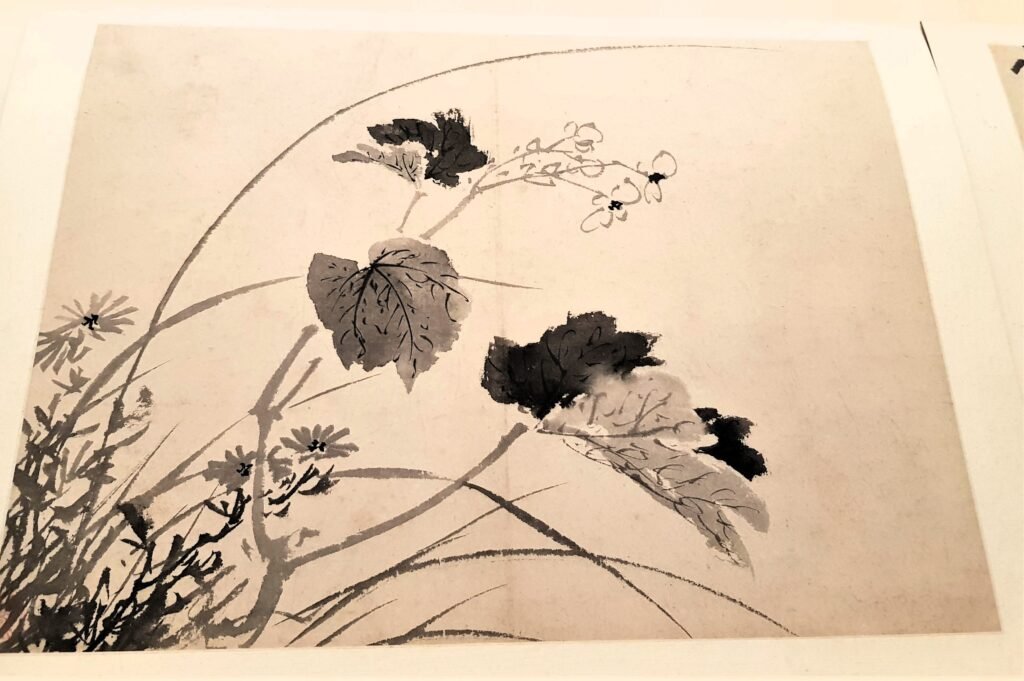
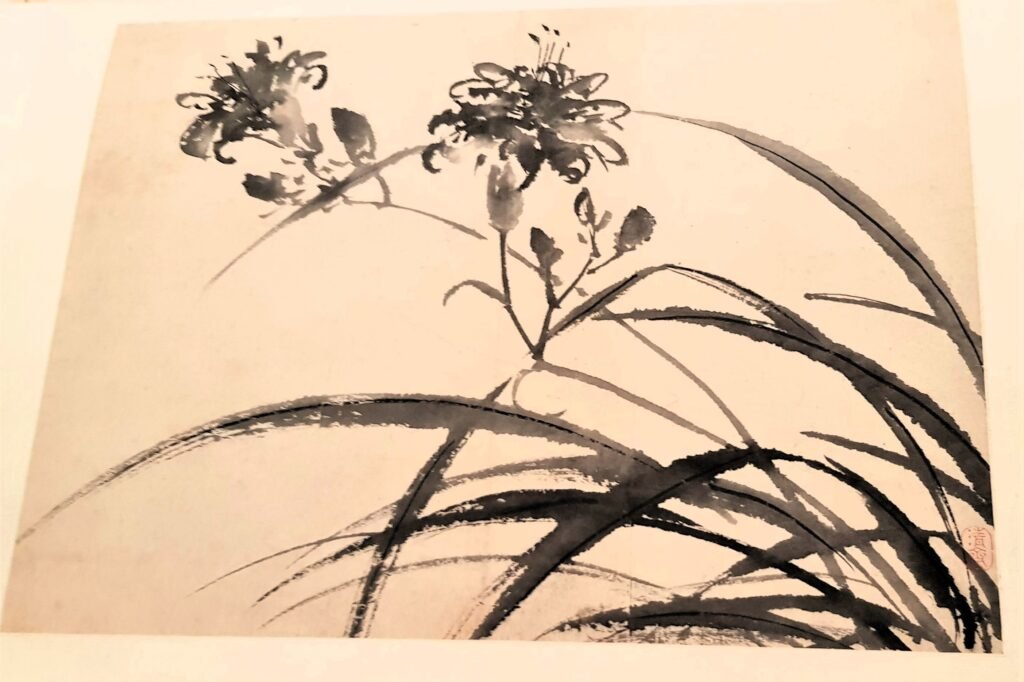
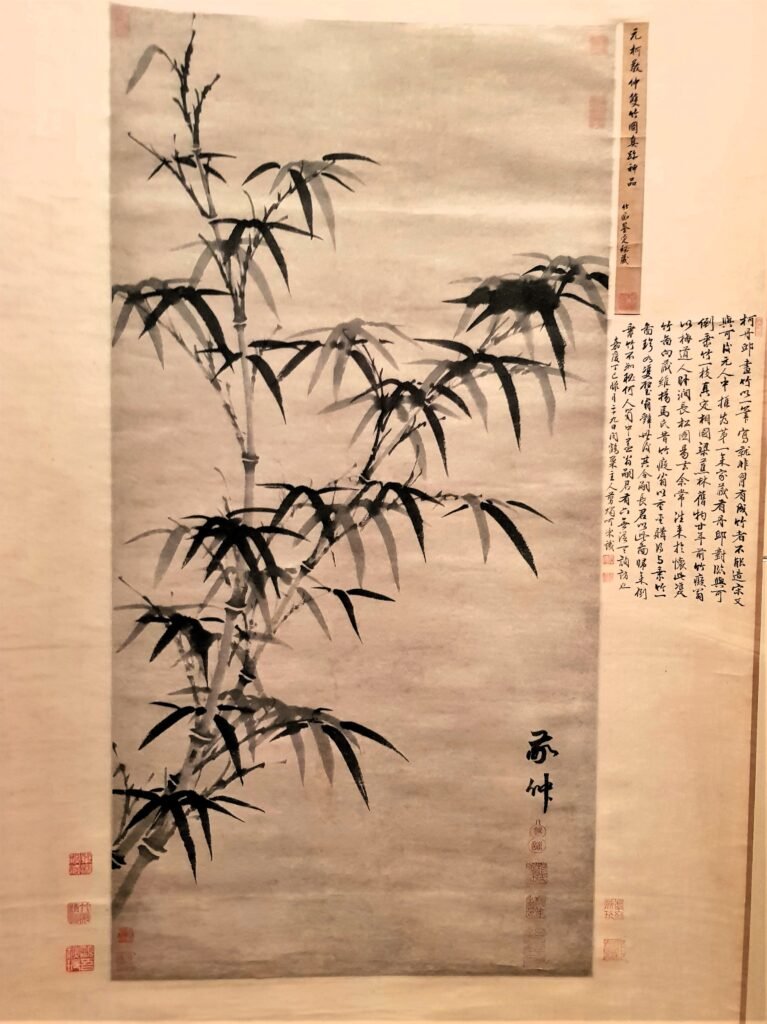
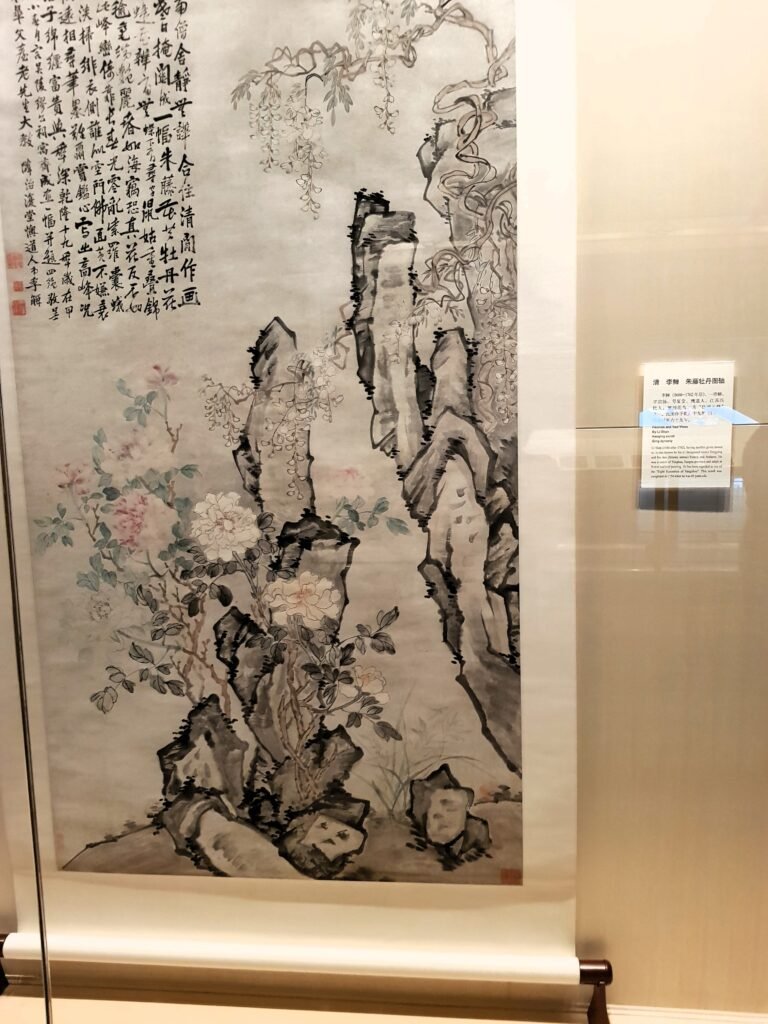
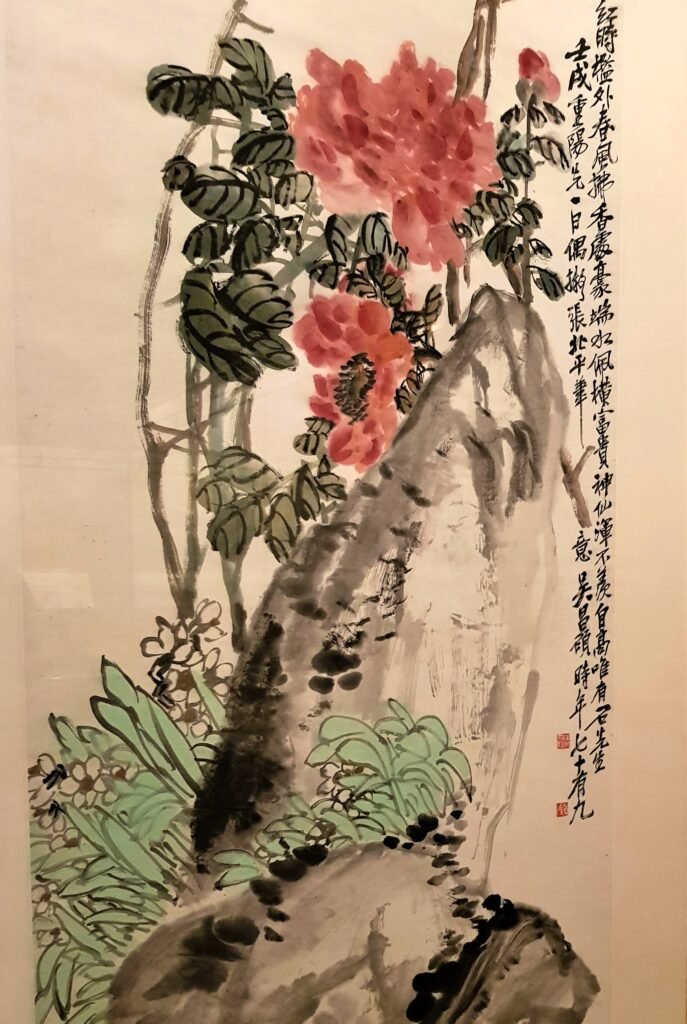
It’s hard to describe what I saw on that first visit, when I stepped into the Gallery of Chinese Paintings; I was looking at a style of art that really intrigued and impressed me, but it was very foreign. I could appreciate the detail and artistry but couldn’t associate particular paintings with a Chinese dynasty, or even understand why the paintings looked so different to western art.
As a result, the photos I took were haphazardly chosen! They are also taken through glass. I offer them merely to show you what I noticed, and you’ll see the paintings as I saw them on that day.
The day after my first visit to Shanghai Museum I took a train to Wuhu from Shanghai Hongqiao station and stayed there for five days of painting lessons with a Chinese brush painting artist, Wang Xiǎo Yàn.
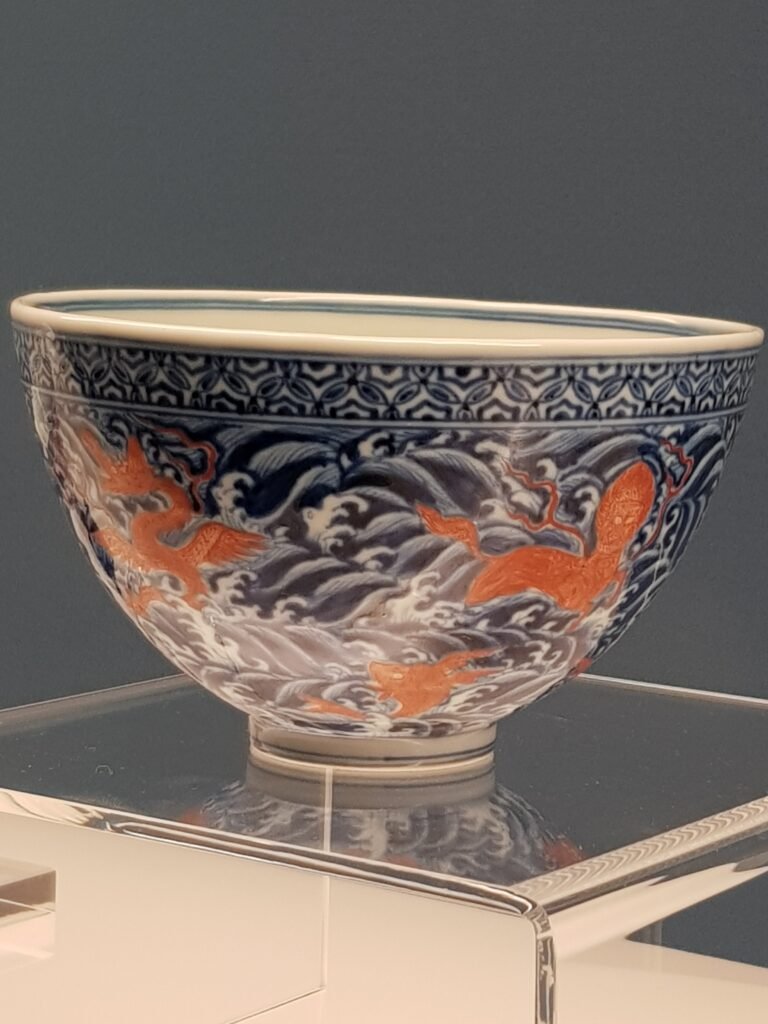
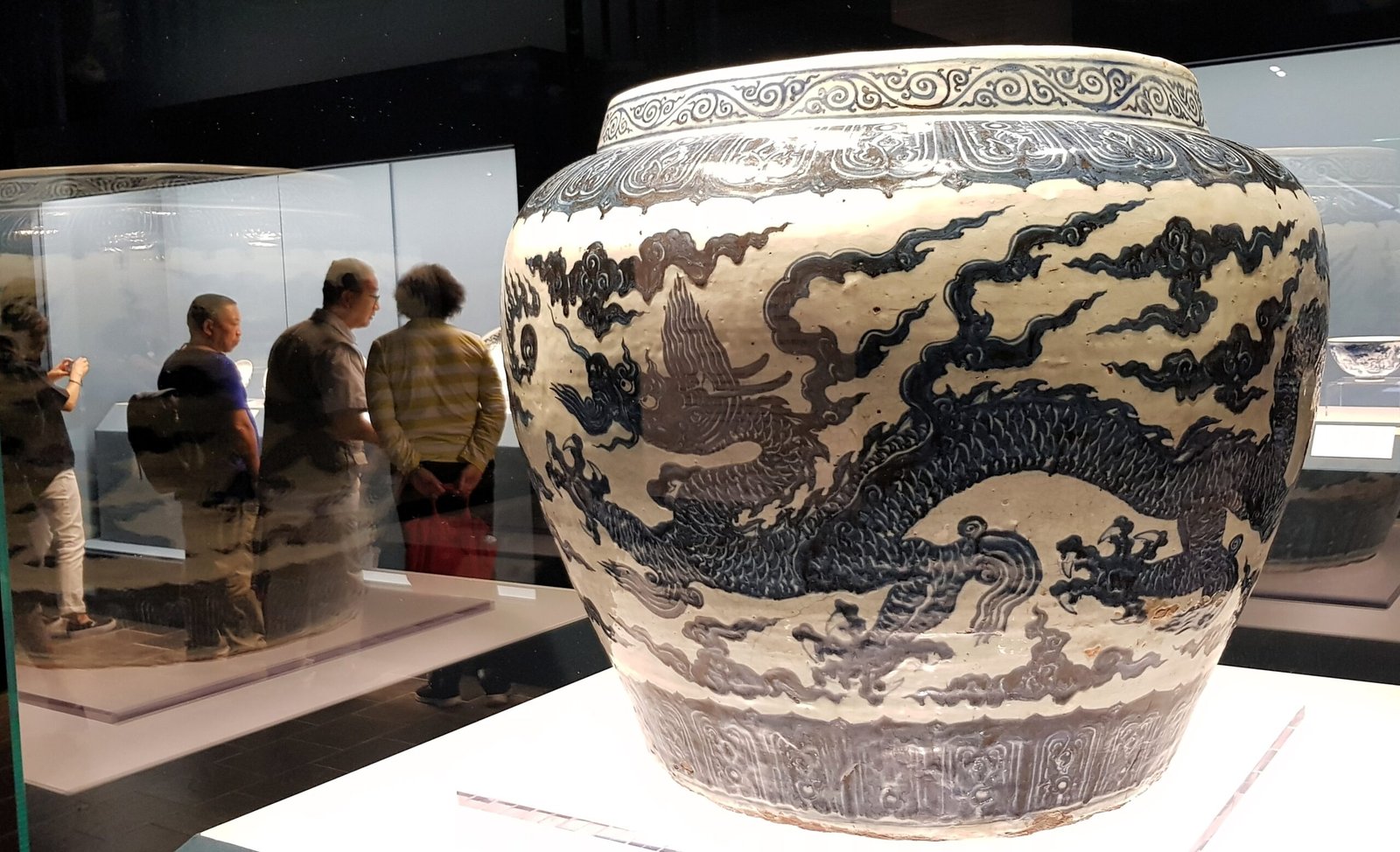
I couldn’t pay a second visit to the Shanghai Museum until Wednesday 29th May, and I headed straight to the Gallery of Ancient Chinese Ceramics on the first floor. There was also a special adjacent exhibition entitled: “Lustre Revealed: Jingdezhen Porcelain Wares in Mid-fifteenth Century China.”
I lost myself for a whole day in ceramics! I sketched some vessels and also wrote down all the Ming and Qing dynasty seal names. Could I now accurately date a piece of antique Chinese porcelain? Possibly not!
Where is Jingdezhen?
Jingdezhen is a town in eastern Jiangxi province which is most renowned for producing the blue and white porcelain for the imperial court during the Ming (1368 – 1644 CE) and Qing (1644 – 1912 CE) dynasties. It’s often referred to as the “Porcelain Capital” of China, even though quality ceramics were produced elsewhere in China too.
In 2004, Jingdezhen celebrated 1000 years as an imperial kiln production centre and its naming as Jingdezhen. Earliest ceramic production in the sixth century BCE would have been under its previous name, Changnan. From the Ming dynasty onwards, official kilns in Jingdezhen were tasked with producing top quality porcelain for the emperor in large quantities, for use by the court and to give as gifts.
The town is located in a remote hilly region. Crucially, it lies close to the best quality deposits of petuntse (pottery stone), as well as being surrounded by pine forests to provide wood for the kilns. Nearby rivers assist with transportation of the delicate cargo.
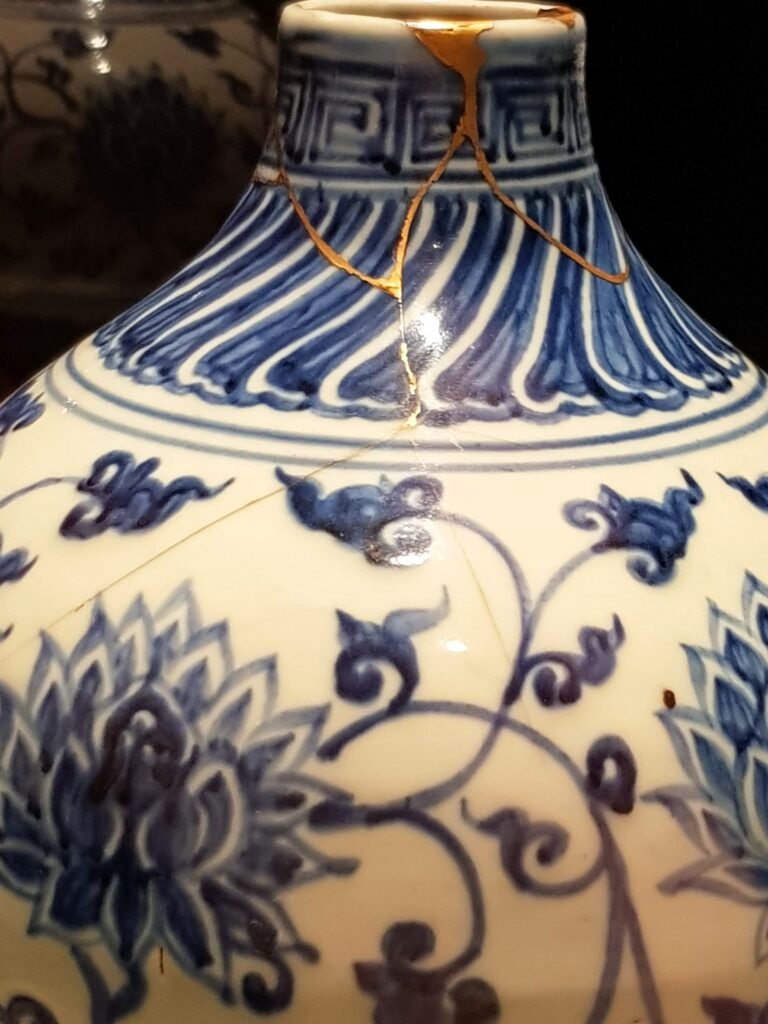
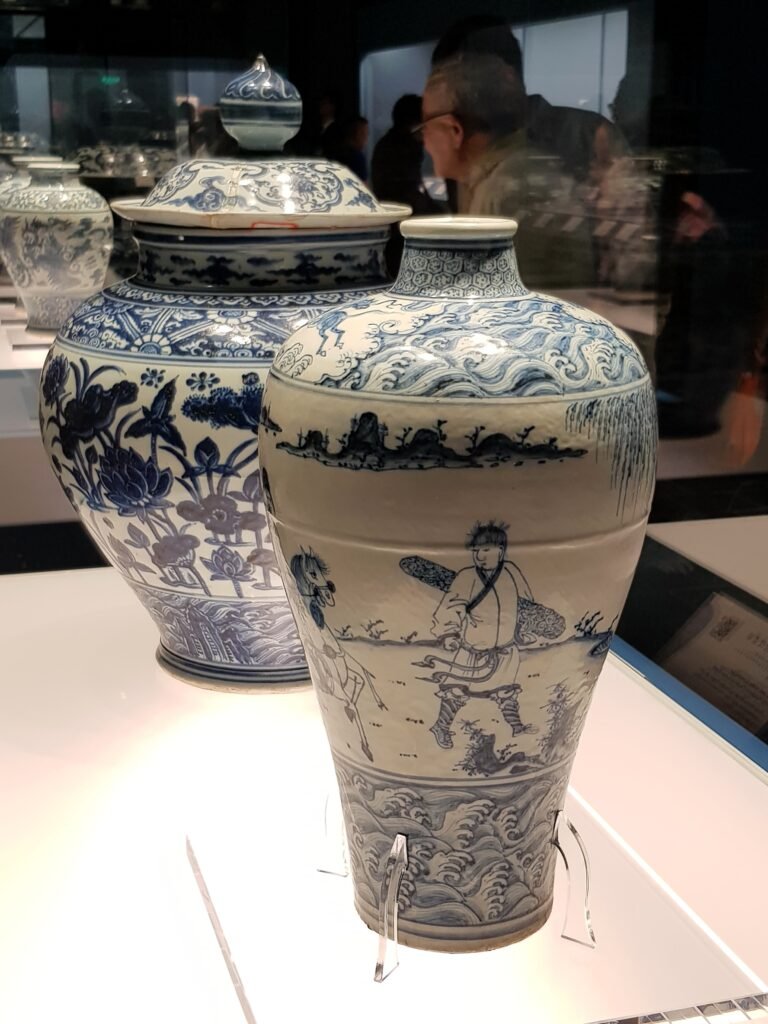
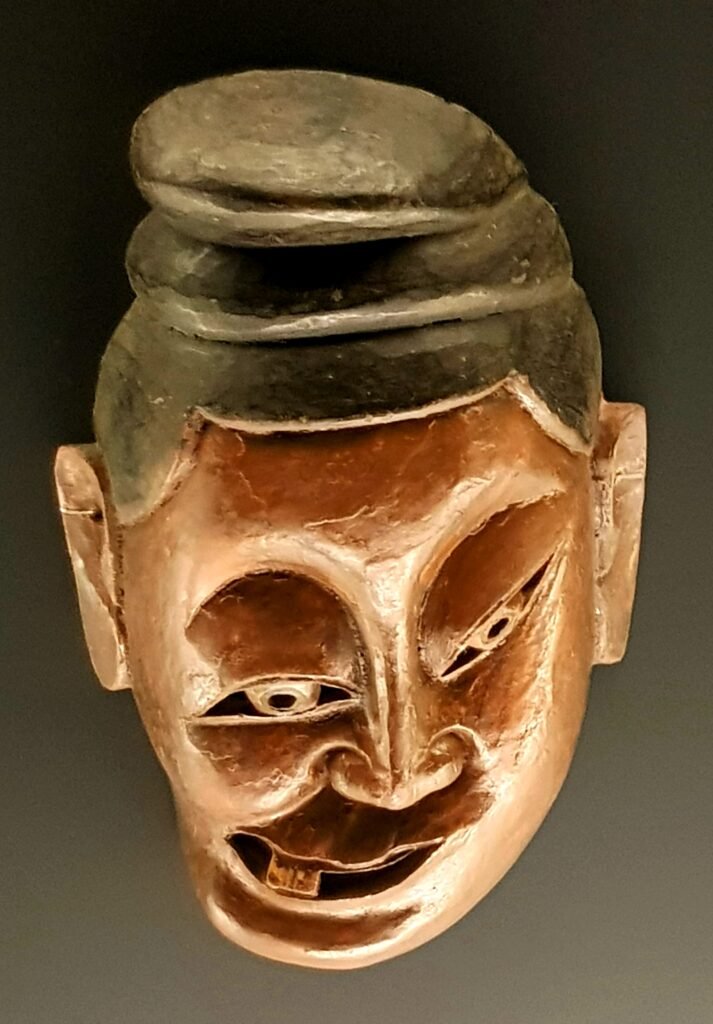
I photographed some artefacts that stood out for me on that visit using my mobile phone. Photos were taken through glass.
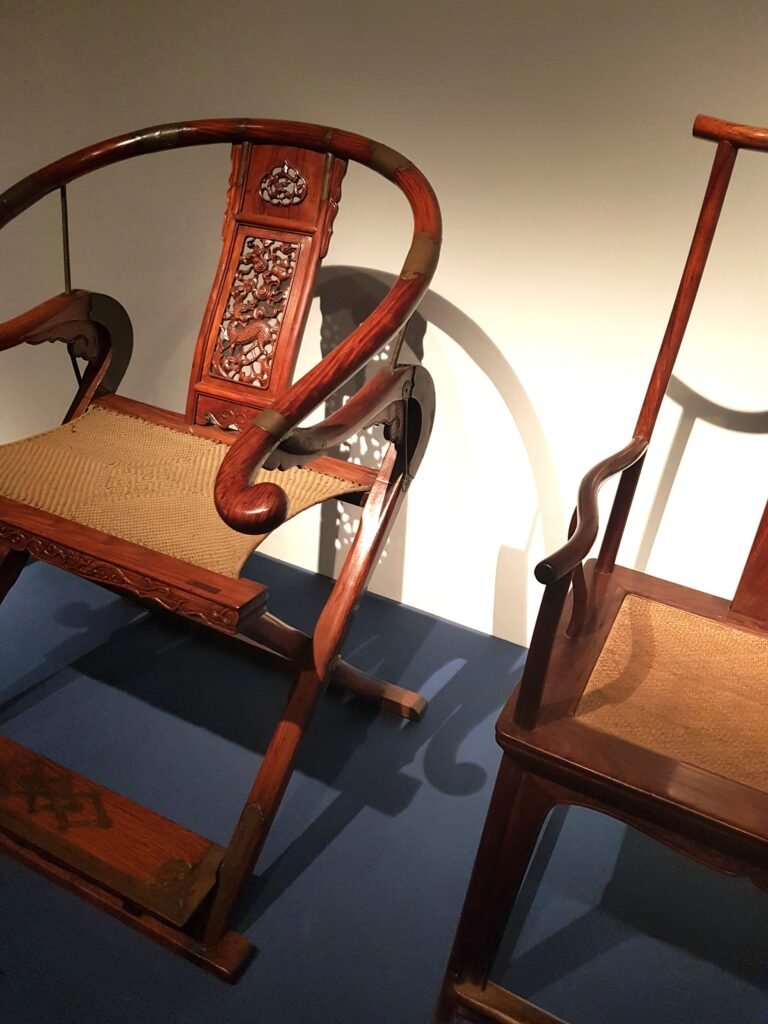
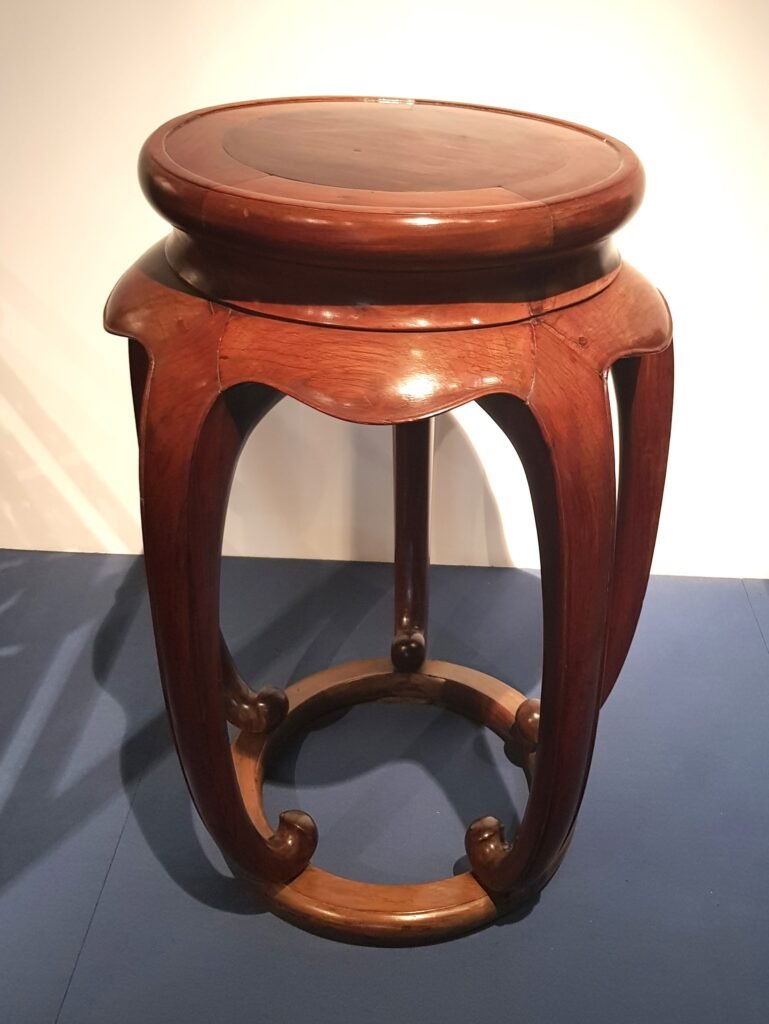
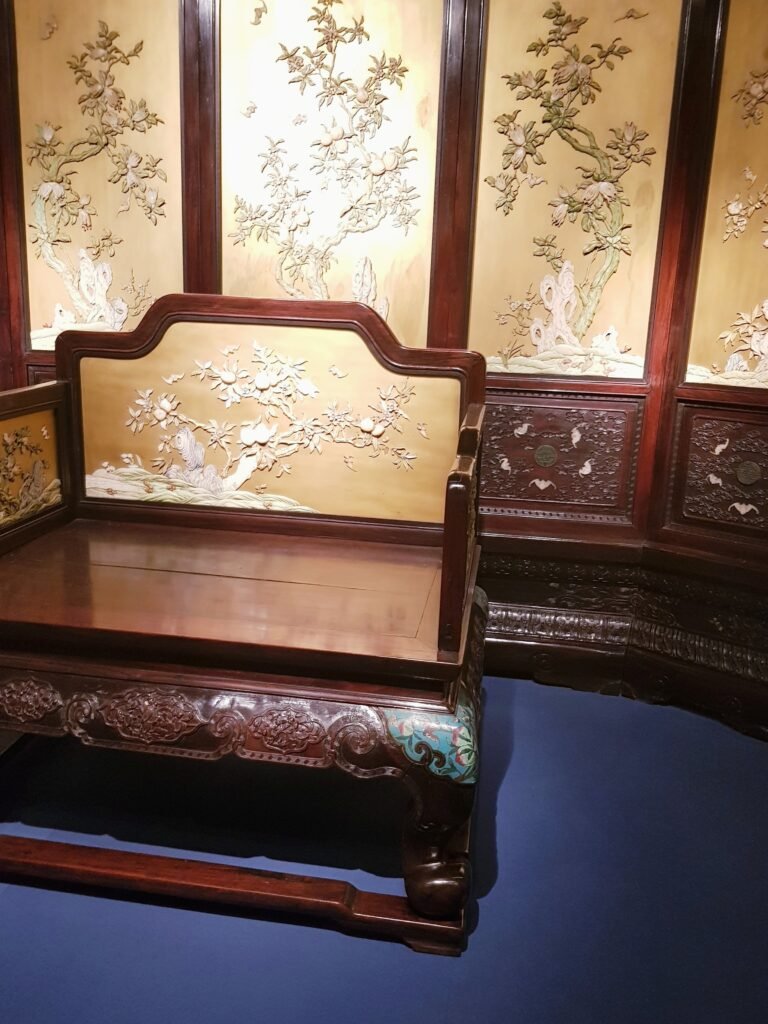
I visited the Chinese Ming and Qing Furniture Gallery on Tuesday 4th June. What I observed there was the shift in style from elegance in the Ming dynasty to a much more ornate and “bulky” style in the Qing era. There was a particular Ming dynasty chair that I fell in love with.
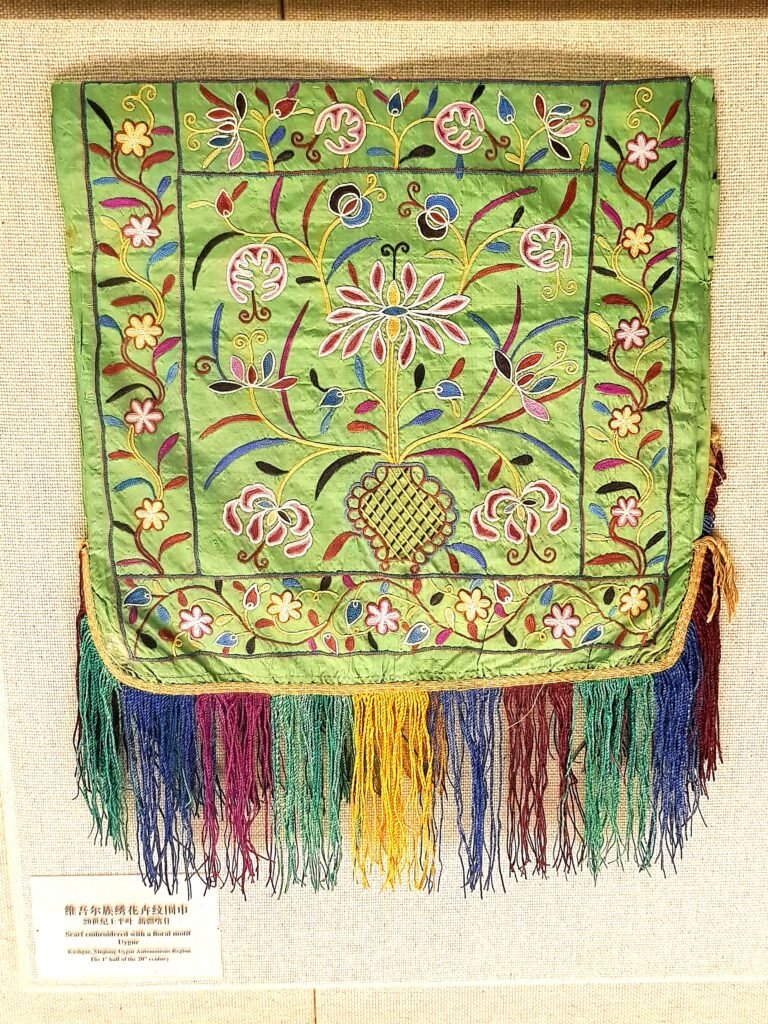
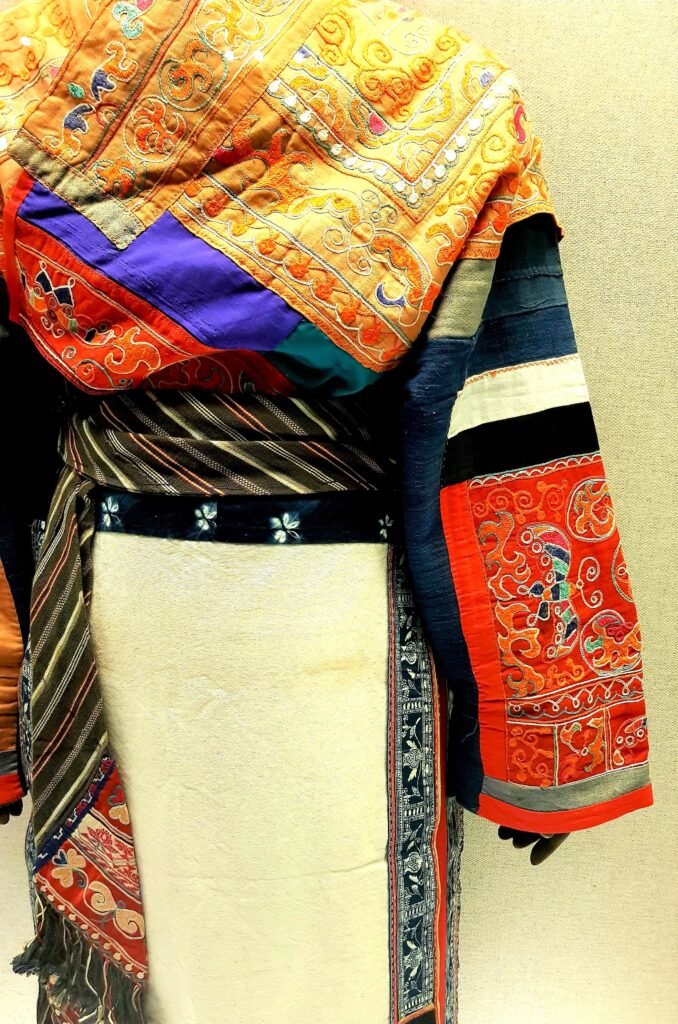
My last visit to the Shanghai Museum was on Wednesday 5th June and I am so glad I chose the Ethnic Minorities Gallery on the third floor! This was the gallery that made me want to re-design my whole wardrobe! The breadth of textiles and embroidery on display was so inspiring.
According to the information on display, China has 56 ethnic groups. Each ethnic group has its own unique culture, The arts and crafts produced by each group reflect their identity, and what they wore was an important aspect of belonging. In this museum at least, these ethnic groups are presented as an integral part of Chinese life. In retrospect, of course, I am aware that the reality for some ethnic minorities living in China is not as inclusive as one would hope.
Here is what I wrote in my travel journal on 5th June, sat in Renmin Park:
“I came to Shanghai Museum today for the last time and wandered round the Ethnic Minorities Gallery. Then I had to make a difficult decision by opting to leave with several galleries unvisited. I could rush through these remaining galleries, cramming in as much information as possible in the remaining few hours available, but I prefer to step away now and do some processing.
I came on this trip with an open mind and a wish to learn Chinese brush painting. I have learnt so much more than I could have hoped.
One thing struck me; wherever you go in the world, people admire the skill of creatives and feel proud of their country’s art and craft heritage. It’s a universal appreciation that brings people together and removes boundaries.”
Less than a year after returning from Shanghai, the world was rocked by a pandemic. During that time I spent time practising my Chinese brush painting skills and processing all I’d seen on my trip. It wasn’t the right time to share the story then. But it is now.